Where bold ideas meet a sustainable future.
Desert Stars connects innovators, entrepreneurs, and communities to build solutions that protect our planet and power lasting change.
Our Focus Areas
Four pillars that guide every program, partnership, and space we build.
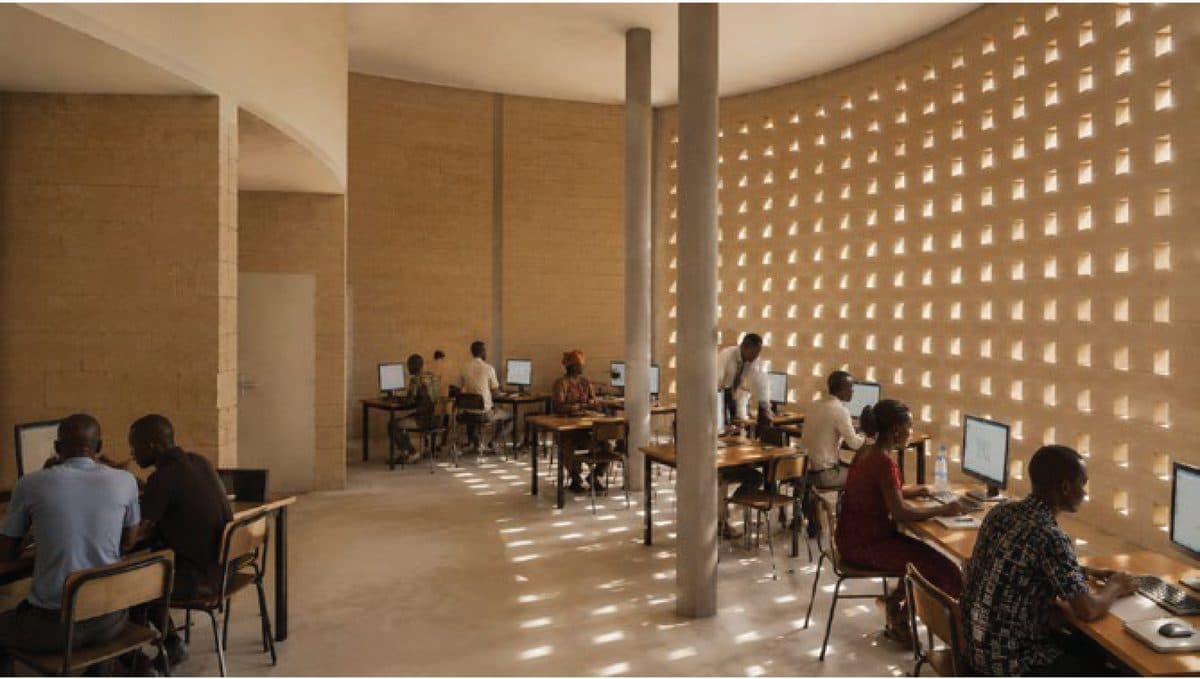
Innovation Labs
Hands-on computer labs and technology training that turn early ideas into working prototypes.
Learn more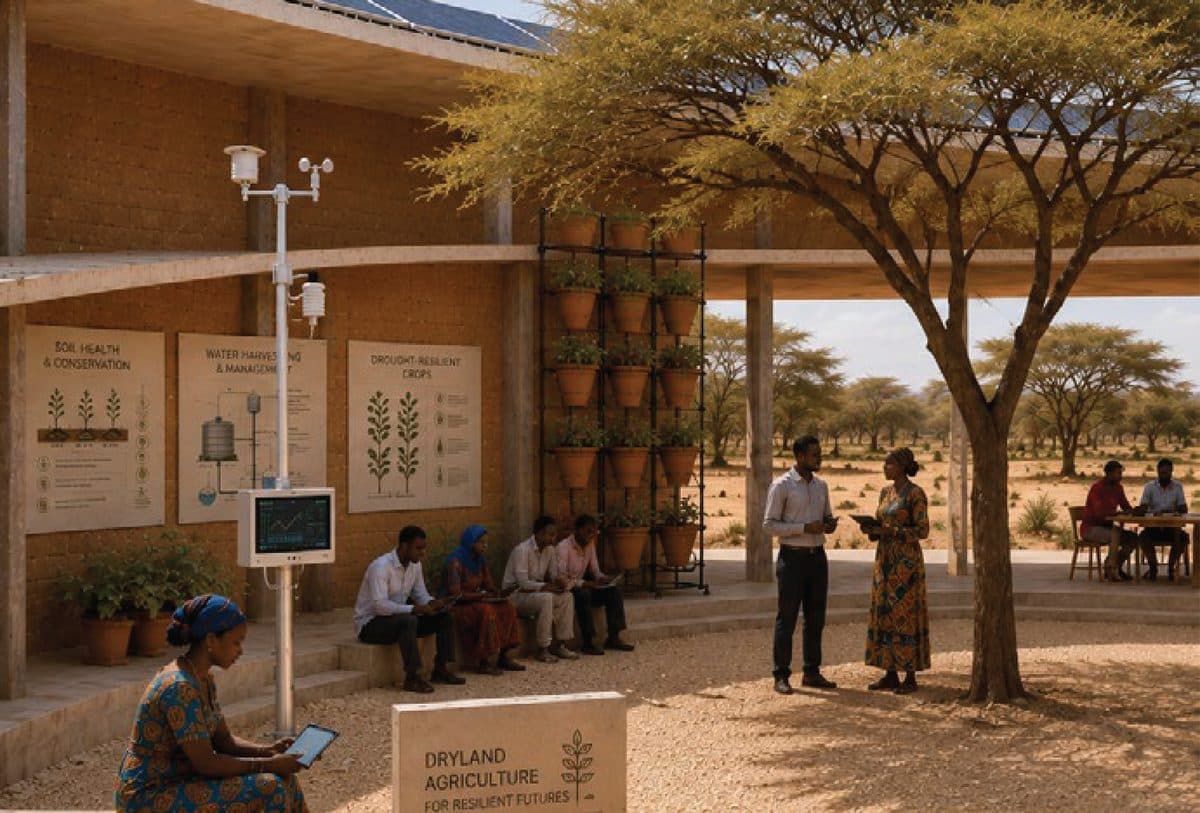
Dryland Agriculture
Soil health, water harvesting, and drought-resilient crops, taught on-site in our demonstration garden.
Learn more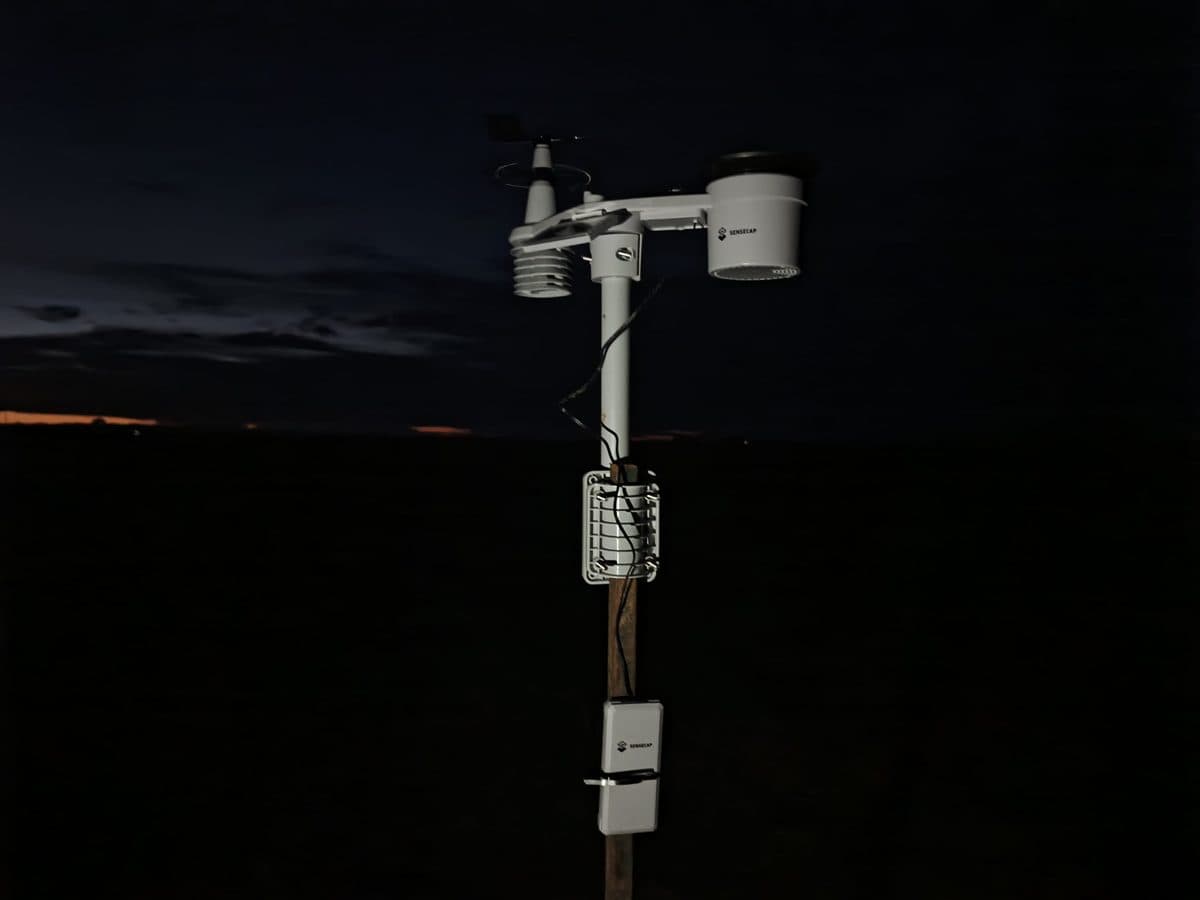
Sustainability Initiatives
Field-deployed weather and climate sensors that help arid communities plan around drought.
Learn more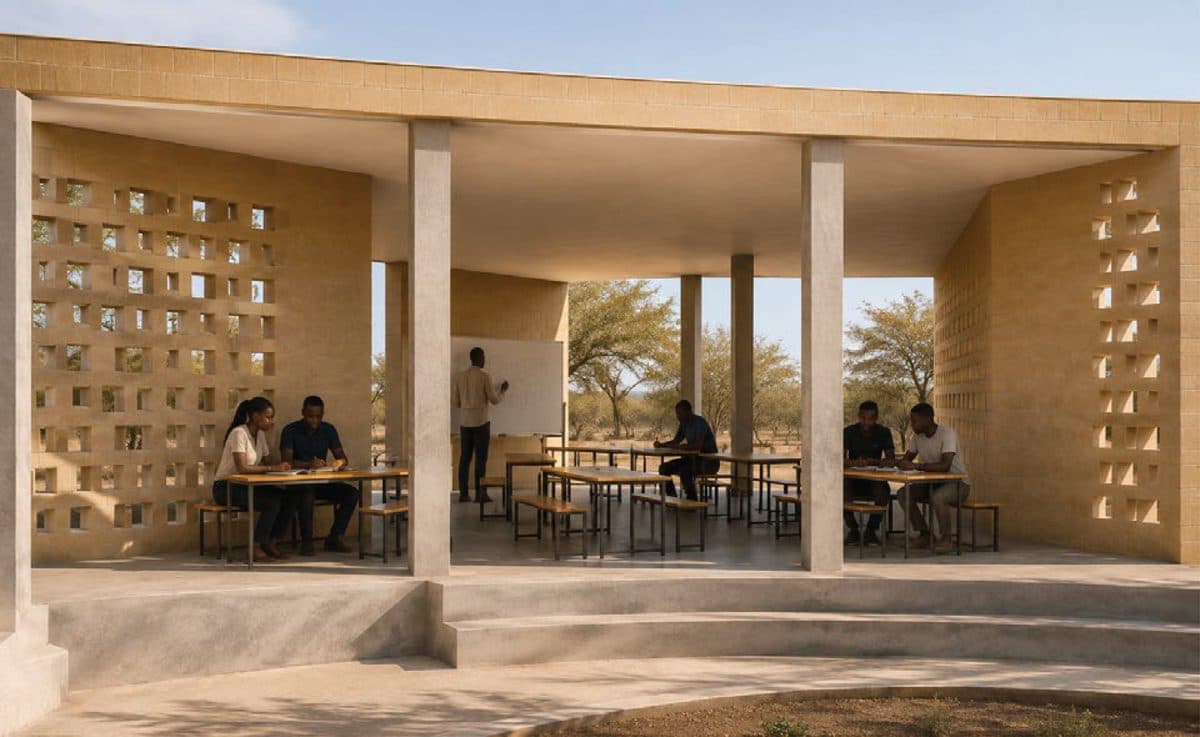
Community Outreach
Mentorship, classes, and partnerships held right on campus, open to the whole community.
Learn more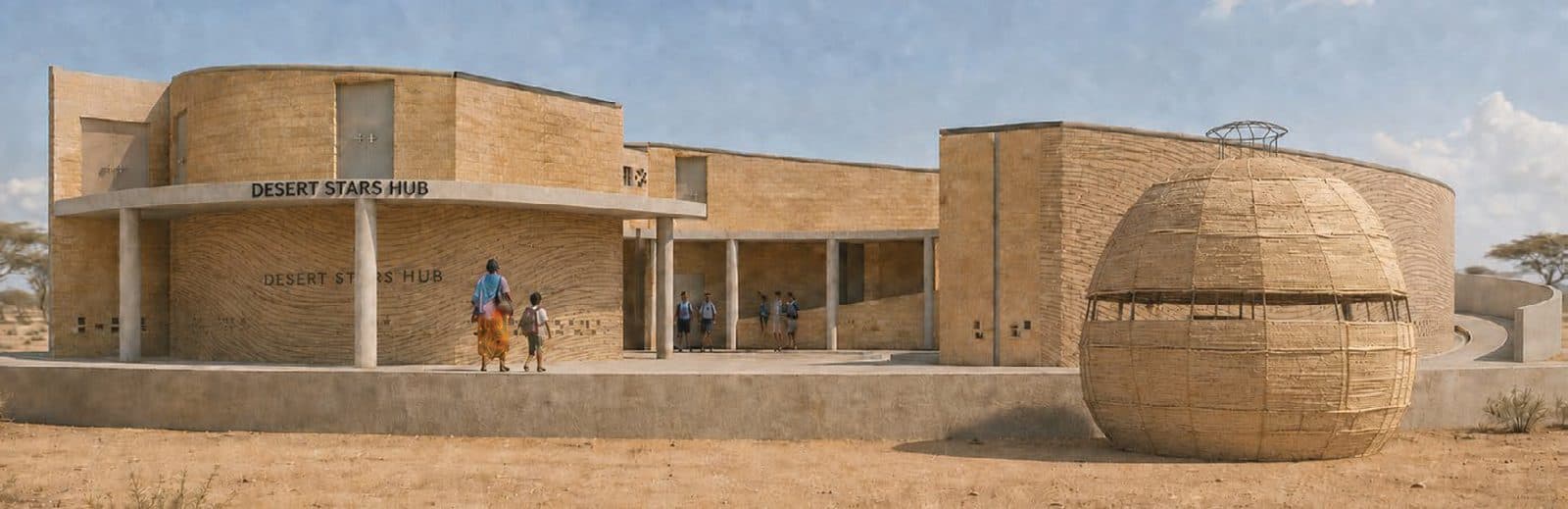
About Desert Stars
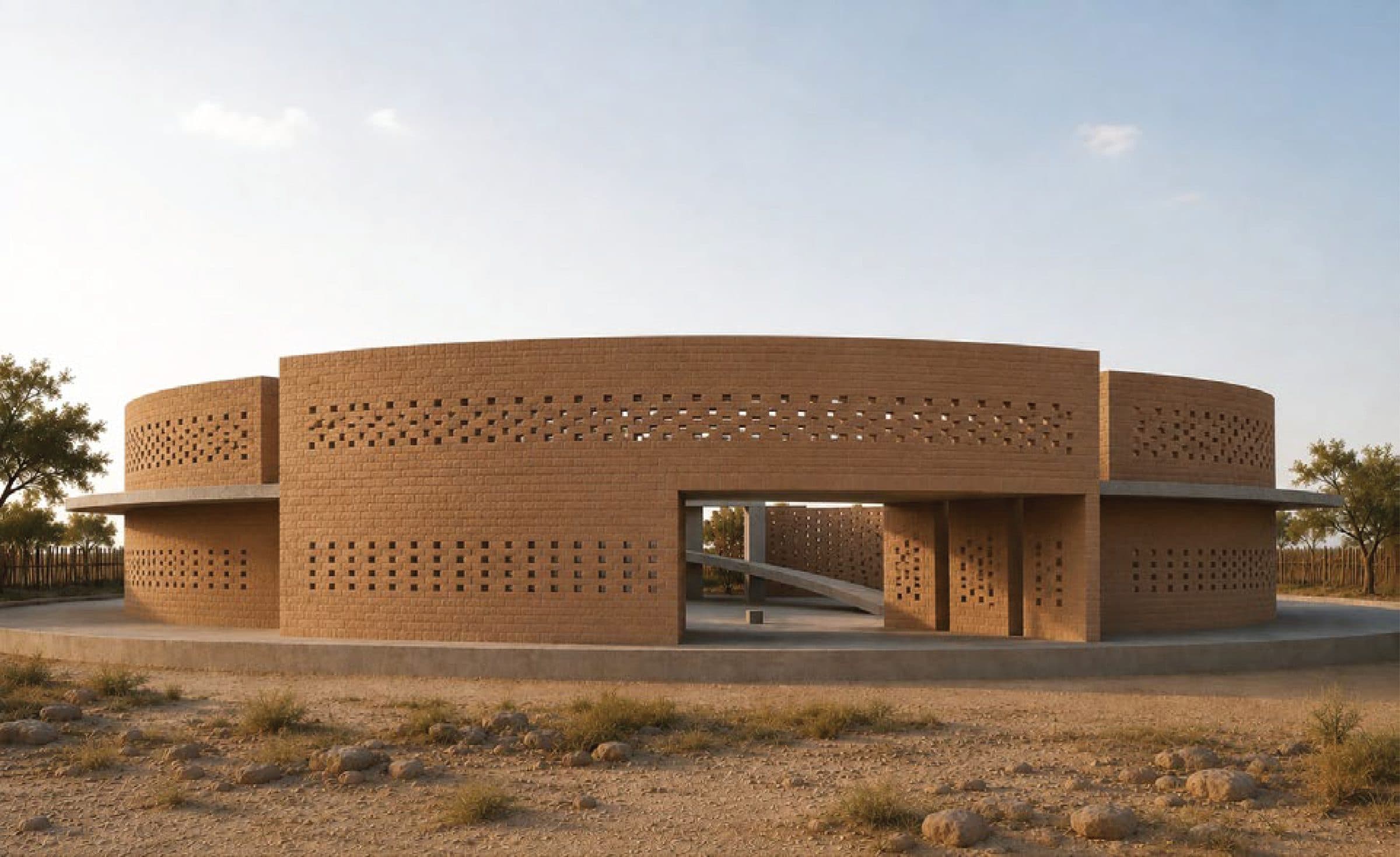
The Desert Stars Innovation and Sustainability Hub (Desert Stars or DS) is a technology innovation initiative established in North Horr (NH) Constituency, Marsabit County, to support digital access, research and innovation activities for climate adaptation and sustainability.
Marsabit County is the largest county in Kenya and is located in the Northern part of Kenya. NH is the largest constituency in the country and also the largest arid constituency.
Learn Our StoryOur Partners
Meet our partners

News & Upcoming Events
Join the Movement
Digital skills and connectivity are no longer luxuries; they have the power to transform lives and economies. This Hub will not only connect communities but also foster digital inclusion, enabling young people to access digital skills while providing technological solutions to pressing problems in their regions — healthcare, agriculture, government services access, financial services and job opportunities.